If you have lived with long-term pain for years, you are likely familiar with the "escalation cycle." You start with basic over-the-counter medication, move to stronger prescriptions, perhaps undergo physiotherapy, and eventually find yourself staring at a screen trying to navigate an increasingly complex healthcare system. But for many, there comes a point where the treatments that once offered relief simply stop working, or the side effects begin to outweigh the benefits.
As someone who spent nine years working in the National Health Service (NHS)—the publicly funded healthcare system in the United Kingdom—I have seen this transition firsthand. I have sat in clinics where patients explain that their "symptom management options" have been exhausted. It is a frustrating, isolating place to be. Today, we are looking at why this happens and how the landscape of chronic pain management has shifted in recent years.
The Physiology of Plateau: Why Medications Stop Working
The "persistent pain impact" is not just about the intensity of the sensation; it is about how it changes your life. When we talk about conventional treatments failing, we are often talking about two specific biological phenomena: tolerance and side-effect accumulation.
Many patients rely on opioids or neuropathic agents to manage their conditions. Over time, the body becomes efficient at metabolizing these substances, requiring higher doses to achieve the same effect. This is known as drug tolerance. Furthermore, long-term use of medications like gabapentinoids or non-steroidal anti-inflammatory drugs (NSAIDs) can lead to a "toxic burden" on your system. You might find that your pain is technically "managed," but your brain fog, fatigue, or digestive issues make your quality of life feel lower than it was before the medication.
The NHS Pathway: Why It Feels Like a Wall
The NHS operates on a principle of evidence-based medicine, dictated largely by the National Institute for Health and Care Excellence (NICE). This is a government body that provides national guidance and advice to improve health and social care. While this ensures that treatments are safe and cost-effective, it also means the pathways are notoriously slow and cautious.
If you present with chronic pain, your GP (General Practitioner) is required to follow a specific hierarchy of care. They are often restricted from prescribing certain medications until you have demonstrated a failure of others. This is a safety mechanism, but for a patient in pain, it newsroompanama.com feels like an endless loop of waiting. Many patients spend months waiting for a referral to a pain management clinic, only to find that the advice offered is identical to what they have already tried.
The 2018 Turning Point: Medical Cannabis
In November 2018, the UK government changed the law to allow specialist doctors to prescribe Cannabis-Based Medicinal Products (CBMPs). This was a significant shift, but one that is often misunderstood. It is vital to clarify that this is not the same as recreational cannabis use. Medical cannabis involves specific, pharmaceutical-grade preparations that are formulated to ensure consistency in potency and purity.

Because the NHS remains incredibly cautious about these products—largely due to a lack of long-term clinical data to satisfy NICE guidelines—the availability of these treatments on the NHS is almost non-existent. This has led to a surge in the private sector, where specialized clinics have stepped in to provide access to these symptom management options.
Here is what usually happens next: After exhausting conventional NHS options, many patients find themselves looking at private specialist clinics. You are not "doing something wrong" by exploring these avenues; you are simply accessing a different tier of the healthcare system that operates outside the strict NICE guidelines that constrain NHS prescribing.
The Rise of Private Clinics and Digital Access
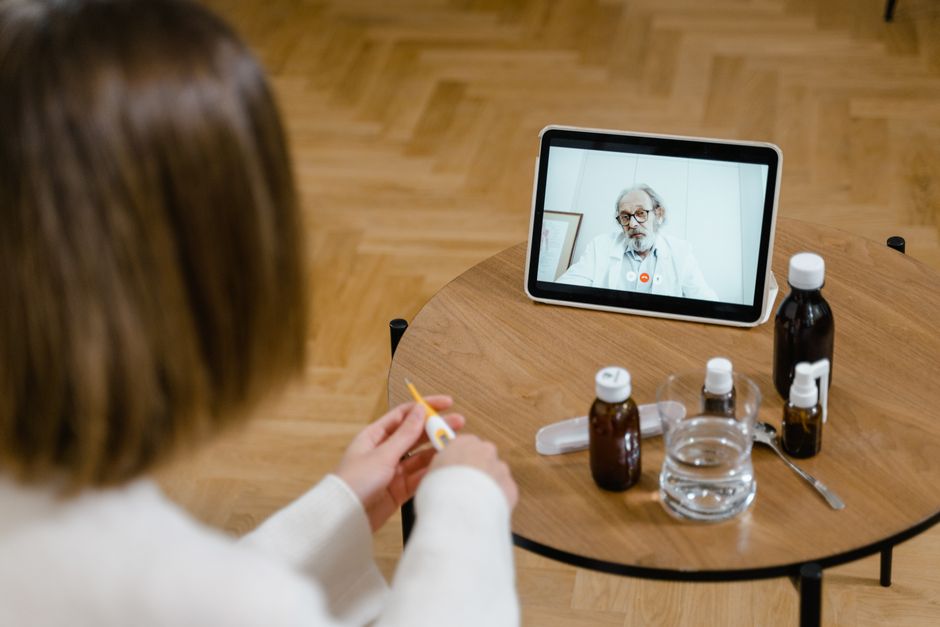
The growth of private clinics has been fueled almost entirely by digital-first healthcare. Telehealth platforms—remote healthcare services provided via technology—have democratized access to specialists who were previously only available in major city centers. Through video consultations, a patient in a rural village can speak with a pain specialist in London without the physical toll of traveling.
Feature NHS Pain Management Private Specialized Clinics Access Speed Long waiting lists (months) Often within days or weeks Prescribing Policy Strictly NICE-led Specialist-led assessment Primary Medium In-person (mostly) Video consultations/Telehealth Cost Free at the point of use Out-of-pocket feesThe Telemedicine Workflow
Telemedicine isn't just about a Zoom call. It is a structured workflow. Typically, you will submit a summary of your medical records from your GP. A specialist then reviews your history to ensure that you are a suitable candidate for their treatment protocols. This "digital-first" approach is designed to be efficient, but it does require a high degree of self-advocacy from the patient.
Things Patients Wish They Knew Before the First Video Consult
As I interview clinic staff and patients, a list of "lessons learned" emerges. If you are preparing for your first virtual specialist appointment, keep these in mind:
- Your GP records are your best friend: Have a PDF copy of your summary care record ready. Do not assume the private clinic will automatically receive it from your NHS practice. Technological barriers are real: If your connection is poor, the appointment will be cut short. Find a quiet space with stable Wi-Fi. The "Miracle" trap: Be wary of any clinic that sounds like it is promising a "miracle relief." Chronic pain management is about incremental improvement, not instant cures. If a clinic talks like a salesman, look elsewhere. Documentation is everything: Keep a pain diary for two weeks before the appointment. Specialists need data, not just emotional descriptions of your pain. Cost transparency: Understand the recurring costs. It is not just the consultation fee; it is the monthly medication costs and follow-up appointments.
Symptom Management: Moving Beyond the Basics
When conventional treatments fail, the focus must shift from "curing" the pain to "managing the impact." This might include a mix of CBD (Cannabidiol—a non-intoxicating compound derived from the cannabis plant), lifestyle modifications, and, where appropriate, CBMPs. However, regardless of the treatment, the goal remains the same: lowering the impact of pain on your daily function.
It is important to remember that pain management is a marathon. The shift toward digital-first healthcare means you have more agency than ever before. You are no longer solely dependent on the geography of your local clinic. You have the ability to seek second opinions, research evidence-based alternatives, and engage with specialists who understand the complex nature of persistent pain.
Refining Your Expectations
If you are feeling stuck, the most effective step you can take is to audit your current treatment plan. Have you documented the side effects of your current medication? Have you been clear with your GP that your current symptom management options are no longer working?
For many, the transition to a specialized, digital-first clinic provides the necessary change in approach. It allows for a more personalized assessment that isn't bound by the "one-size-fits-all" constraints of standard primary care. However, always prioritize clinics that are registered with the Care Quality Commission (CQC) in the UK. This ensures that the telehealth platform you are using meets the basic safety and quality standards required for legal medical practice.
Conclusion
The failure of conventional treatments is not a failure of the patient. It is often a result of the body’s natural adaptation to medication and the limitations of a standardized, cautious healthcare system. While the path forward can seem overwhelming, the growth of telehealth and specialized private clinics offers a new way to access care. By focusing on evidence-based options, maintaining a detailed record of your health, and understanding the workflows of modern medicine, you can move from a state of stagnant pain management to a more active, informed approach to your own health.
Take your time, read the research, and always ensure you understand the full scope of any treatment before you begin. Your health is a long-term project—treat it with the patience and diligence it deserves.