For many people living with chronic pain, anxiety, or treatment-resistant conditions, the world of medical cannabis feels like a maze. You might have read headlines about "legalization," heard stories from friends about finding relief, or seen advertisements for private clinics. But when you dig into the details, you often run into a term that sounds formal and perhaps a little intimidating: clinical supervision.
If you are a patient, "clinically supervised access" is the most important concept to understand. It is the bridge between the old, illicit market and the new, modern era of regulated access. As a health and wellness coach, I have interviewed dozens of patients navigating this path, and the most common feedback is that they wish they had understood the *process* of supervision sooner. It changes the entire experience from "buying a product" to "managing a health condition."
The 2018 Legal Shift: Clearing Up the Confusion
In November 2018, the landscape of cannabis in the UK underwent a fundamental change. The government moved cannabis-based products for medicinal use (CBPMs) from Schedule 1 to Schedule 2 under the Misuse of Drugs Regulations.
Many interpreted this as "medical cannabis is now legal for everyone." This is a common misconception that continues to cause frustration. Here is what that law actually did—and what it didn't do:

- What it changed: It allowed specialist doctors to legally prescribe cannabis-based medicines to patients where other treatments had failed. What it did not change: It did not legalize cannabis for recreational use, and it did not grant GPs the authority to write these prescriptions.
The legislation created a narrow pathway. It effectively moved the product from a prohibited substance to a controlled medicine. Because it is a "controlled medicine," it is subject to rigorous safety standards, just like opioids or other powerful medications. This is why "clinical supervision" became the legal standard—the state requires a specialist to monitor the patient because the drug carries specific risks and requires precise titration.
Why Is the NHS So Cautious?
If the law changed, why can’t you walk into your local GP surgery and ask for a prescription? The answer lies in the National Institute for Health and Care Excellence (NICE) guidelines.
NICE is the body responsible for ensuring that NHS treatments are both clinically effective and cost-effective. Currently, their guidance on cannabis-based medicines is extremely conservative. They have only recommended cannabis-based products for a very small number of conditions, such as specific forms of treatment-resistant epilepsy, multiple sclerosis-related spasticity, and chemotherapy-induced nausea.
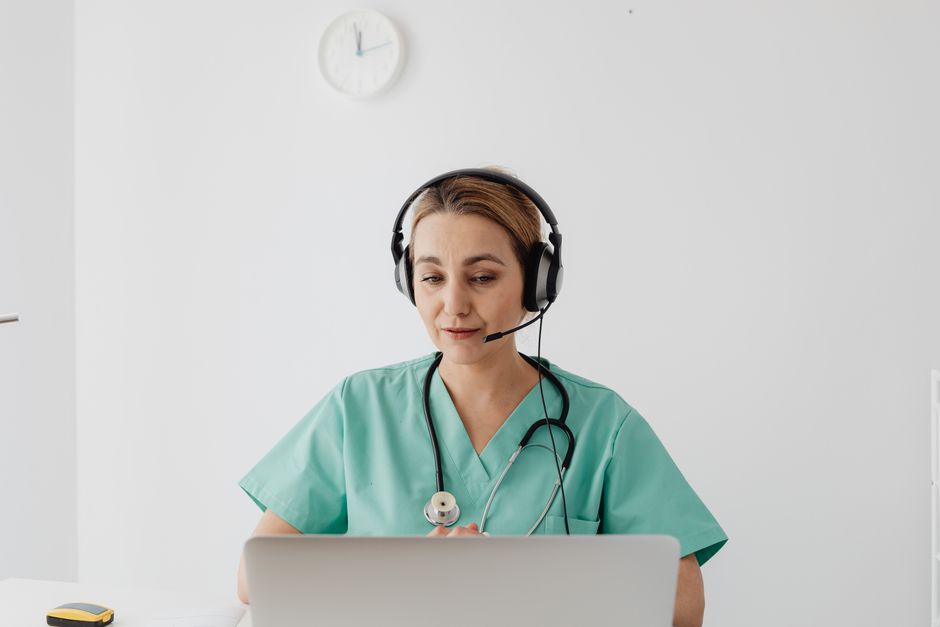
For the millions of people suffering from chronic pain or mental health conditions, the NHS simply does not have the "pathway" to offer these treatments. This has created a massive gap in care. That gap is where private clinics have stepped in, utilizing a structured healthcare platform to provide the oversight that the NHS is currently unable to offer.
The Rise of Private Clinics and Digital Infrastructure
Because the NHS prescribing pathways are narrow, the majority of medical cannabis access in the UK today happens through private clinics. These clinics operate under strict compliance with the Care Quality Commission (CQC) or equivalent health regulators.
They have built a structured healthcare platform that mimics the high standards of a traditional hospital setting, but with the added convenience of telehealth. By digitizing the patient journey, these clinics have made specialized care accessible to people who might otherwise be housebound or unable to travel to distant specialists.
How the Process Works: A Digital-First Approach
cuindependent.comWhen we talk about "clinically supervised access," we are describing a specific series of safeguards. Unlike buying supplements online or purchasing CBD from a high-street shop, medical cannabis requires a medical record of your journey. Here is what the process looks like:
The Online Eligibility Assessment: Most clinics start with a brief digital questionnaire. This isn't a diagnosis; it’s a filter to see if you meet the preliminary criteria (e.g., have you tried at least two other treatments for your condition?). Secure Medical Record Uploads: This is the "clinical" part of the supervision. You must provide your summary care record or GP records. The specialist needs to see your medical history to understand what you have tried, your current medications, and any potential contraindications. The Specialist Consultation: You speak with a doctor who is on the Specialist Register. They assess your eligibility based on clinical evidence, not just your symptoms. The Prescription and Monitoring: If approved, the medicine is sent to a specialized pharmacy. Crucially, your treatment doesn't stop there. You are required to have follow-up appointments to monitor for efficacy and side effects.Why Clinical Supervision Matters for Your Health
As a wellness coach, I always tell my clients: *it’s not just about the medicine; it’s about the results.* Without clinical supervision, you are essentially guessing. You don't know the exact cannabinoid content, you don't know the proper dosage, and you don't have a doctor to call if something goes wrong.
Clinical supervision provides three critical pillars of safety:
1. Standardized Dosing
Cannabis is complex. Different strains have different ratios of THC and CBD. A doctor helps you "titrate"—starting low and going slow to find the minimum dose required to achieve relief. This minimizes the risk of side effects like dizziness or anxiety.
2. Drug-Drug Interactions
Many of my clients are already on other medications for pain or anxiety. Some cannabis products can interact with blood thinners, antidepressants, or sedatives. A specialist doctor is trained to identify these risks, which is why your medical record is so vital.
3. Evidence-Based Monitoring
In a structured healthcare platform, your data is tracked. Your doctor will look at how your symptoms change over time. If a product isn't working, they can adjust your prescription. This isn't "trial and error" in the dark; it is clinical data gathering.
Comparing Access Models
To help you understand the difference, let’s look at how "regulated access" through a clinic compares to traditional or grey-market methods.
Feature Illicit/Grey Market Structured Healthcare Platform Product Quality Unknown, often contaminated Pharmaceutical grade, batch-tested Safety Net None Consultant-led monitoring Legal Protection None Legal prescription with unique ID Medical History Ignored Integrated (Secure medical record uploads) Dosing Advice Word of mouth Clinically supervised titrationThe Future: Telehealth and Accessibility
The "digital-first" nature of these clinics is a game-changer for wellness. For a patient living with chronic fibromyalgia, a two-hour trip to a specialist clinic can trigger a flare-up. Telehealth removes that barrier. By using secure video consultations and online eligibility assessments, patients can access world-class care from their own living rooms.
Furthermore, the digital infrastructure allows for better security. Your health data is encrypted and handled in accordance with GDPR and strict medical confidentiality standards. You aren't just getting medicine; you are entering a secure system designed to support your long-term health goals.
Final Thoughts: Moving from Patient to Partner
If you are exploring medical cannabis, remember that "clinically supervised access" isn't a hoop to jump through just for the sake of it. It is a safety framework designed to protect you. When you engage with a structured healthcare platform, you are moving from being a passive seeker of relief to a partner in your own healthcare.
My advice? Don’t be afraid of the documentation. Take the time to request your medical records, be honest in your online eligibility assessment, and treat your follow-up appointments as the most important part of your wellness routine. By choosing the path of clinical supervision, you ensure that your treatment is safe, legal, and—most importantly—tailored specifically to the unique chemistry of your body.
Disclaimer: This post is for educational purposes and does not constitute medical advice. If you are experiencing health issues, please consult with your GP or a qualified medical specialist.