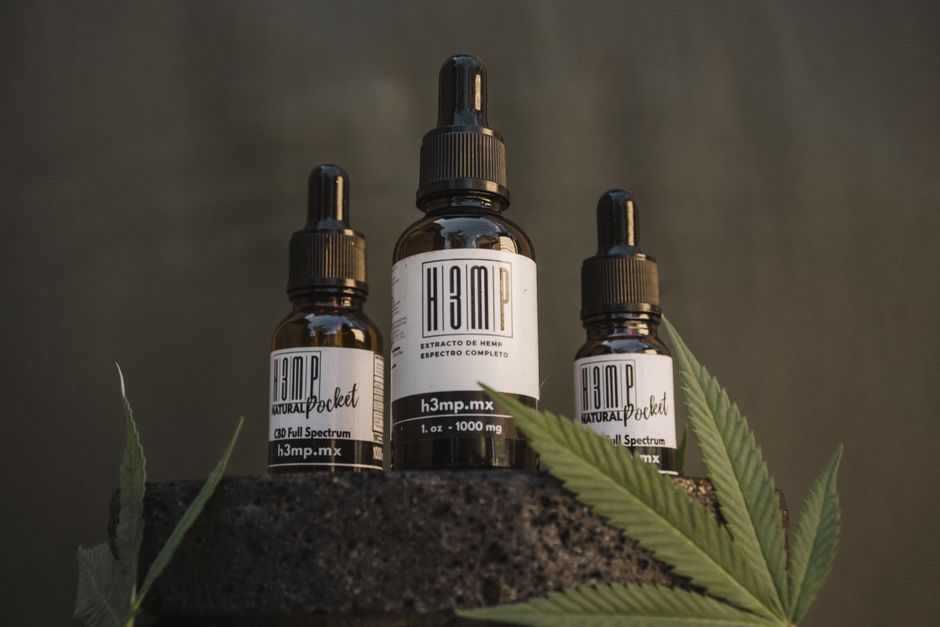
Cannabidiol (CBD) has become ubiquitous in wellness products, from oils and gummies to creams and capsules. Among the many product labels, you might have seen terms like “broad spectrum CBD” touted as “THC-free” or “THC removed.” But what does this really mean? Does broad spectrum CBD truly contain zero THC? And why should you care about batch-specific certificate of analysis (COA) reports when making your choice?
In this article, we’ll break down the CBD basics versus THC, clarify the legal and FDA guidelines, explain why verifying label claims like “broad spectrum THC removed” matters, and point out how companies such as Joy Organics handle quality transparency.
CBD Basics vs. THC and Intoxication
CBD and tetrahydrocannabinol (THC) are both cannabinoids found in cannabis plants, but they are very different in how they affect the body.
- THC is the psychoactive compound that produces the “high” commonly associated with marijuana. CBD is non-intoxicating and is popularly used for wellness reasons, such as reducing anxiety, inflammation, or chronic pain symptoms.
When looking for non-intoxicating CBD products, consumers are often concerned about THC content. Even small traces of THC can accumulate in the body or cause legal or drug testing issues for some people.
Types of CBD Extracts: Full Spectrum, Broad Spectrum, and Isolate
Type Description THC Content Common Usage Full Spectrum Contains CBD plus small amounts of all other cannabinoids including trace THC Up to 0.3% THC (legal limit under 2018 Farm Bill) Users seeking the “entourage effect” (synergistic benefits) Broad Spectrum Contains CBD and other cannabinoids but THC is removed or non-detectable THC removed or <0.01% (often claimed) Users wanting cannabinoids but no THC exposure CBD Isolate Pure CBD without any other cannabinoids 0% THC Users needing pure CBD or avoiding all other cannabis compounds <h2> Broad Spectrum CBD: Is THC Really Removed?Broad spectrum CBD is marketed as “THC-free” or “THC removed,” but here’s the catch: The cannabis extraction and purification process is complex. Achieving 100% THC removal is challenging. Sometimes trace amounts remain, though often they are present below the detection limits of common lab tests.
This is where the certificate of analysis (COA) and batch-specific laboratory reporting become critical. A batch COA is a lab report specific to the exact batch of product you’re buying, showing tested levels of CBD, THC, and any contaminants. If the COA shows “THC non-detect” or “below quantification limits,” that means the labs couldn’t find THC within the sensitivity of their testing method — in other words, effectively undetectable.
Without a batch COA, the label claim “broad spectrum THC removed” is just marketing language. It’s easy to slap “THC-free” on the front label but much harder to back it up with objective, independent verification.
Why Does This Matter?
- Drug Testing: For anyone regularly tested for THC (such as certain workplaces), even trace THC in “broad spectrum” products can lead to positive results. Legal Compliance: Under the 2018 Farm Bill in the US, hemp-derived products must contain less than 0.3% THC by dry weight. This includes broad spectrum products but manufacturers often strive for far less. Consumer Safety & Trust: Knowing your product is genuinely free of THC builds confidence, especially for those new to CBD.
FDA Approval and Over-the-Counter Use
It's important to distinguish FDA-approved CBD from the broad market of over-the-counter (OTC) supplements:
- FDA Approval: The FDA has approved only one CBD medication — Epidiolex — strictly for certain seizure disorders. This is a purified CBD drug with rigorous clinical testing, prescribed and dispensed through healthcare providers. OTC CBD Products: Most CBD products sold on shelves or online are dietary supplements or wellness products, which are not FDA-approved and are not to be marketed as treatments or cures.
This means despite CBD’s popularity, consumers should not expect or rely on broad spectrum CBD products as miracle cures or medical therapies unless prescribed by a doctor.
The 2018 Farm Bill and Legal THC Limits
The 2018 Farm Bill federally legalized hemp and hemp derivatives — which includes CBD — provided these products contain less than 0.3% THC by dry weight. This sets the legal boundary for THC content in hemp-based products. Many lab testing methods can reliably detect THC at levels 10 times lower than this (such as 0.03% or lower).
Broad spectrum CBD manufacturers usually remove THC down to levels well below 0.3% to try and avoid any intoxication and comply with the law. However, verification through yourhealthmagazine a batch-specific COA showing THC non-detect or “below quantification” is essential to back up those claims.
Quality Variation and Why COAs Matter
One of the biggest challenges consumers face is the wide variation in quality among CBD products. Many products lack independent lab testing, use vague or misleading phrases like “THC-free” or “zero THC” without proof, or rely on old COAs not tied to current batches.
Joy Organics is often cited as a company making efforts to deliver transparency in this space. They provide batch-specific COAs to their customers upon request or accessible via their website, showing cannabinoid profiles and contaminant testing such as heavy metals, solvents, and pesticides.
When shopping for broad spectrum CBD, demanding a recent COA with verified testing for “THC non-detect” is one of the best ways to avoid unpleasant surprises:
- Does the COA come from an independent third-party lab? Is the COA tied to the batch/lot number on your product packaging? What are the limits of detection for THC on the report? Does the reported THC level fall under quantifiable or non-detectable thresholds?
If the answers are “yes” and the THC is not detected or below 0.01%, the product likely lives up to the broad spectrum THC removed claims on front labels.
Summing It Up: What to Look for When Choosing Broad Spectrum CBD
Beware of vague front-label claims: “THC-free” or “THC removed” can mean different things without lab test data. Always ask for the batch COA: Confirm it is recent, batch-specific, from an independent lab, and shows THC as “not detected” or below quantification levels. Understand legal limits: A broad spectrum product should contain less than 0.3% THC, ideally far less to avoid intoxication or drug test failures. Know your supplier: Transparent brands like Joy Organics provide accessible COAs and third-party testing voluntarily. Keep expectations realistic: OTC broad spectrum CBD is not FDA-approved for medical treatment except in specific cases. Avoid miracle-cure promises.Final Thoughts
Broad spectrum CBD can offer many of the benefits of hemp cannabinoids without the psychoactive effects of THC — but only if the product is genuinely free or contains non-detectable THC levels. The best way to confirm this is by reviewing a batch-specific certificate of analysis (COA) from a trusted independent lab.
Next time you see “broad spectrum THC removed” on a label, dig a little deeper. Check the COA. Look for “THC non-detect” and verify the batch number. That’s your best defense against misleading marketing and the only way to ensure the product matches the promises made.
In a crowded marketplace, transparency matters. Brands like Joy Organics set a useful standard by openly sharing their lab data, helping consumers make safe, informed choices about broad spectrum CBD.