For the past decade, I’ve sat in boardrooms listening to developers promise that their latest software will "transform the patient journey." I’ve watched countless demos of Patient Portals (PP)—secure websites that allow patients to access their health records—that look great on a slide deck but fall apart the moment a frustrated patient tries to reset their password at 2:00 AM.
There is a lot of noise about online healthcare tools. But are patients actually comfortable using them? Or are we just building digital walls that make it harder for people to get the care they need? Let’s strip away the buzzwords and look at what is actually happening in waiting rooms and living rooms across the country.
The Death of the "Morning Phone Queue"
Ten years ago, the only way to book an appointment was to join a phone queue at 8:00 AM, hoping you’d get through before the slots ran out. Today, patients have an entirely different expectation for patient adoption of technology. They don't want "innovation"; they want convenience.
If you can book a dinner reservation, a flight, or a plumber via an app, why should booking a GP (General Practitioner) visit be an exercise in endurance? Patients are, by and large, very comfortable with online booking systems—provided those systems actually work.
The Friction Points
- Fragmented Logins: Patients hate having multiple accounts for one clinic (e.g., one for booking, one for lab results, one for billing). Lack of Real-Time Syncing: Nothing kills trust faster than a patient booking a slot online, only to receive a call saying the doctor isn't actually in. Accessibility Issues: A tool that isn't mobile-optimized is essentially useless for a huge segment of the population.
The transition from phone-based admin to online booking isn't just about efficiency for the clinic. It is about dignity for the patient. When a patient can see real-time availability on their smartphone, they feel in control. That is the definition of a successful tool.
Virtual Care: From "Novelty" to "Normal"
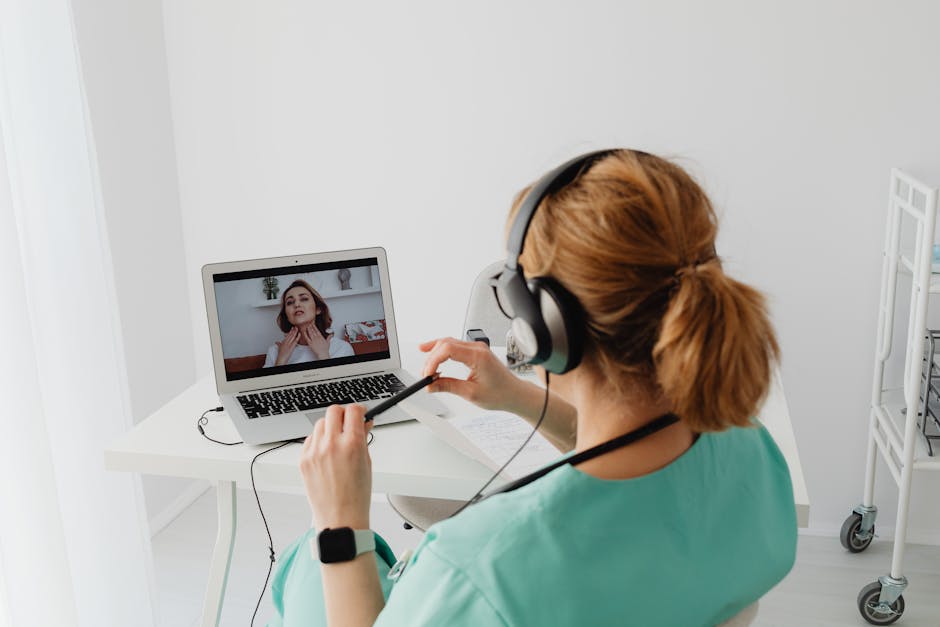
During the pandemic, virtual care—medical services delivered via video or phone link—went from an occasional convenience to a necessity. Now that the dust has settled, the question isn't whether virtual consultations work; it’s whether patients want them to stay.
The consensus? Patients are comfortable with virtual care, but only for specific scenarios. My experience in patient education tells me that patients are perfectly happy to discuss a blood test result or a chronic condition review over a video link. They are, however, remarkably skeptical about being diagnosed for complex physical symptoms over a screen.
What Actually Happens in a Virtual Consult
If you look at the workflow of a video consultation, it isn't just about the technology. It’s about the environment. Patients have told me they feel anxious about privacy—"Can my family hear this?"—and about the technical quality of the connection. If the video lags or the audio cuts out, the patient’s comfort level drops to zero. A tool is only as good as the reliability of the connection it sits on.
Centralized Platforms: The "Dashboard Fatigue" Reality
Clinics are increasingly pushing for centralized platforms. These are digital hubs where a patient can see their medication history, message their provider, view upcoming appointments, and pay bills. It sounds perfect on paper. In erone.co.uk reality, it often leads to "dashboard fatigue."
If you force a patient to navigate through four different sub-menus just to find a referral letter, you haven’t improved their experience; you’ve created a digital hurdle. When we talk about online healthcare tools, we have to account for the "cognitive load" on the patient. Most patients are logging in while tired, stressed, or sick. They don’t want a complex dashboard. They want a simple, linear flow.
Table 1: Old-School Administration vs. Modern Patient Portals
Feature Old Way (Phone/Paper) Modern Portal (Expected Standard) Appointment Booking Wait on hold for 20 minutes Click-to-book, calendar sync Test Results Wait for a letter or call Secure notification via app Medication Reorders Paper form or phone request "One-click" renewal request Communication In-person only Secure messagingWhy "Revolutionary" is a Red Flag
I get annoyed when I see marketing materials describing an online tool as "revolutionary." It’s almost never revolutionary. It’s just software. Using the word "revolutionary" sets an expectation of magic. Patients don't want magic; they want reliability.
When you tell a patient that a new app is "revolutionary," they expect their life to change. When they find out it’s just a portal for booking appointments, they feel misled. We need to stop overpromising on outcomes. A better approach is to explain exactly what changes for the patient next week: "You no longer have to call us to request your repeat prescription; you can now do it in three taps on this app." That is concrete, useful, and honest.
What Do Patients Actually Experience?
Let’s check the reality. If you look at the data on patient adoption, you'll see a clear divide. Patients who are digitally literate adapt to these tools quickly and often prefer them. However, we often ignore the "silent majority" who find these tools daunting.
Patients tell me they worry about:
Security: Is my data actually safe, or is this just another account that will be hacked? Depersonalization: If I start using a portal to message my doctor, does that mean I’ll never be able to see a human being face-to-face again? Technical Support: When the app breaks, who do I talk to? If the answer is "we don't provide tech support," the patient will go back to the phone.These aren't "tech-illiterate" complaints. These are valid questions about the quality and accessibility of care. If we want patients to use these tools, we have to provide a bridge for those who aren't confident. This might mean having a front-desk staff member who is trained to help people set up their accounts, or ensuring that digital tools are an *addition* to, rather than a *replacement* for, human connection.

Actionable Steps for Clinics: What Changes Next Week?
If you are part of a clinic or a patient education team, stop worrying about "future-proofing" your office. Start worrying about the patient who is struggling with your current interface. Here is how you make things better by next Monday:
- Audit your login process: If it takes more than 30 seconds to sign in, fix it. Listen to the "phone queue" complaints: Ask your receptionists what the most common reason people call for help is. If they are calling to ask how to use the portal, your portal is broken. Humanize the tech: Use plain, simple English in your emails and on your websites. Define your acronyms. Don't hide behind jargon. Feedback loops: Actually ask patients if they like the tool. Don't just look at usage stats—look at the sentiment. Are they using it because they like it, or because they feel forced to?
The Bottom Line
Patients are absolutely comfortable using online healthcare tools, provided those tools actually solve a problem for them. They are not interested in the technology for its own sake. They care about saving time, getting clarity on their health, and feeling supported by their healthcare provider.
If you focus on reducing friction—not on how "cool" or "advanced" your software is—you’ll find that patients will not only adopt your digital tools, they will become your strongest advocates. But keep it simple. If a patient feels smarter after using your tool than they did before, you’ve done your job. If they feel confused, you’ve just created more work for everyone.
Stop talking about the future. Start making today easier. That’s the only way to earn a patient’s trust in a digital world.